Blog – Where Comfort Meets Elegance
Hospitality Industry’s Bed Linen
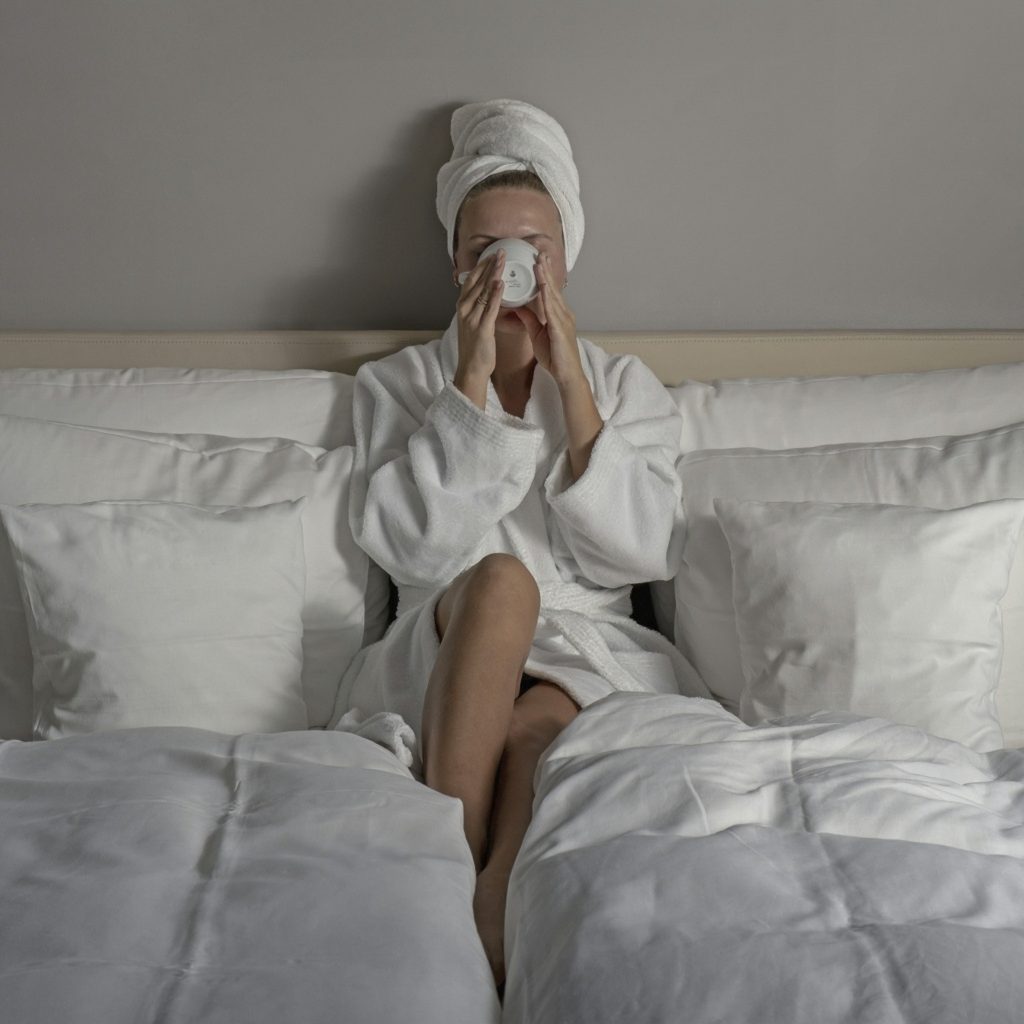
When it comes to the Hospitality Industry, bed linen plays a crucial role in Guest Comfort and Overall Experience. The quality, durability, and feel of bed linen depend on several factors:
- Fibre Type
- Weave Type
- Fabric Construction
- Thread Count
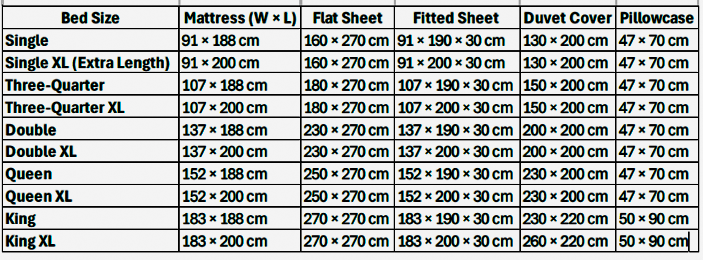
South African Bed & Linen
Size Chart
Note :
– XL flat sheets could be adjusted to 290cm length when used as a bottom sheet in place of a fitted sheet.
– XL duvet covers may on occasion be custom manufactured as 220cm length.
Comprehensive Guide
To help you understand the different options available for Hospitality Linen.
Fibre Types
The type of fibre used in bed linen significantly impacts its texture, longevity, and maintenance requirements. The most common fibre types include:
1. Cotton
Cotton is a popular choice due to its softness, breathability, and durability. Some common types include:
- Egyptian Cotton – The highest quality cotton, known for its extra-long staple (ELS) fibres, which make the fabric softer, stronger, and more durable. It is ideal for luxury hotels.
- Pima Cotton – A step below Egyptian cotton but still offers long-staple fibres that provide good softness and durability.
- Upland Cotton – Shorter-staple cotton, often used in mid-range hospitality bedding due to its affordability.
2. Polyester
- A synthetic fibre that is wrinkle-resistant, durable, and cost-effective. Often blended with cotton for easy maintenance.
3. Cotton-Polyester Blend
- A common mix (e.g., 60% cotton, 40% polyester) that balances softness, durability, and affordability. Frequently used in mid-tier hotels.
4. Linen
- Made from flax fibres, linen bed sheets are highly breathable and moisture-wicking but have a coarser texture. Preferred in high-end boutique hotels for a natural, rustic feel.
5. Bamboo & Modal
- Sustainable alternatives offering silk-like softness, high moisture-wicking properties, and antibacterial benefits. Increasingly popular in eco-conscious hospitality settings.

Weave Types
Weave structure impacts texture, breathability, and durability. Common weave types include:
1. Percale Weave
- A plain weave with a 1-over-1-under pattern.
- Crisp, matte finish with a cool feel.
- Highly durable, making it ideal for high-turnover hospitality settings.
2. Sateen Weave
- 4-over-1-under weave, giving it a silky smooth texture.
- More luxurious and slightly heavier than percale.
- Prone to snagging but offers a lustrous appearance, preferred in premium hotels.
3. Twill Weave
- Diagonal rib pattern, often found in heavier sheets.
- Highly durable but less common in bed linens due to its weight.
4. Jacquard & Damask
- Woven patterns that add texture and luxury.
- Used in decorative top sheets and high-end bedding.

Fabric Construction & Thread Count
Thread count refers to the number of threads per square inch of fabric and is often marketed as a quality indicator. However, fibre quality and weave type are equally important.
Common Thread Counts in Hospitality Bed Linen:
- 200-250 TC – Standard for budget hotels; durable but not overly luxurious.
- 250-300 TC – Mid-tier hotels; balanced softness and longevity.
- 300-600 TC – High-end hotels; offers a smooth, luxurious feel without compromising breathability.
- 600+ TC – Ultra-luxury; can be softer but sometimes misleading due to multi-ply yarns.
Single-Ply vs Multi-Ply:
- Single-ply threads (using longer staple fibres) produce stronger, smoother fabric.
- Multi-ply threads use lower-quality fibres twisted together, often inflating thread count without improving quality.
Benefits of Different Fabric Choices
Fibre Type | Benefits | Considerations |
Egyptian Cotton | Extremely | Expensive, requires special care |
Pima | Soft, durable, cost-effective luxury | Less premium than Egyptian cotton |
Cotton-Polyester | Wrinkle-resistant, durable, affordable | Less breathable, |
Polyester | Low maintenance, durable, | Less breathable, |
Linen | Moisture-wicking, naturally cooling, | Prone to wrinkles, coarser |
Bamboo/ | Silky feel, hypoallergenic, moisture-wicking | Can be costly, delicate |
Conclusion
Hotels choose bed linen based on durability, maintenance needs, and guest experience.
Budget hotels prioritize polyester blends for cost-effectiveness,
Mid-range hotels opt for percale cotton for durability, and
Luxury hotels favour high-thread-count extra-long staple cotton in sateen weaves for a premium experience.
Selecting the right bed linen ensures guest satisfaction and long-term cost efficiency for hospitality businesses.
Enhance Your Space with Premium Sheraton Textiles
As an authorized distributor of Sheraton Textiles, we provide high-quality products designed to meet the highest standards of style, comfort, and durability. We are pleased to offer preferential pricing to our valued clients.
Request a Quote & use reference code HP_SHER01 to access exclusive rates.
Partner with us to bring refined elegance to your interiors.